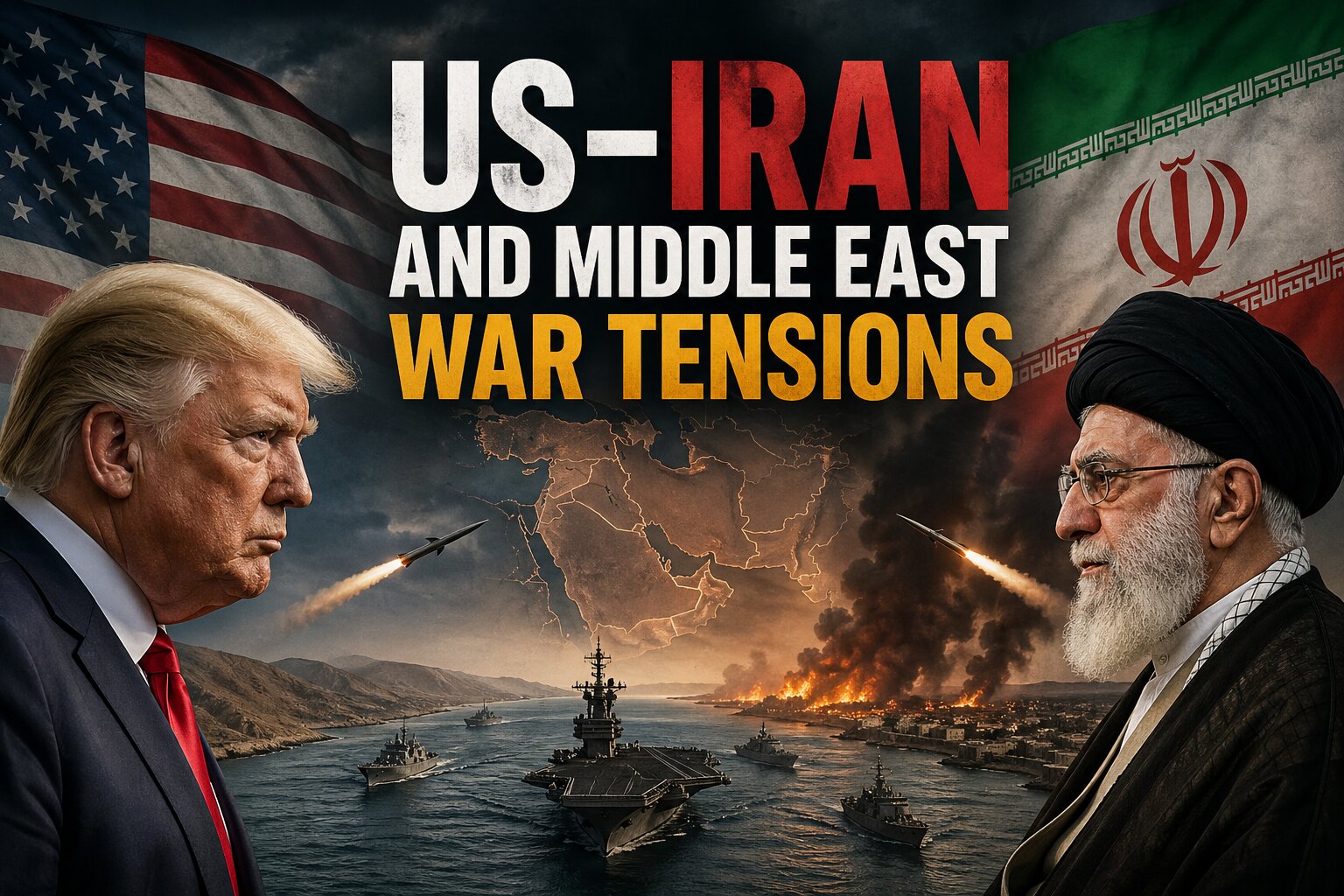
US–Iran and Middle East War Tensions
The topic of US–Iran and Middle East War Tensions has once again become one of the most discussed international issues in 2026. Rising military pressure, naval blockades, missile threats, diplomatic breakdowns, and concerns over oil supply have created a serious global security challenge. The United States and Iran remain at the center of this conflict, while countries like Israel, Saudi Arabia, Iraq, Syria, and Gulf nations are also deeply affected. The Strait of Hormuz, one of the world’s most important oil routes, has become a major flashpoint, increasing fears of a wider regional war. Reports in April 2026 highlighted ceasefire talks, naval tensions, and diplomatic mediation efforts involving Pakistan and other regional players.
Understanding US–Iran and Middle East War Tensions
Here’s what you need to know:
US–Iran and Middle East War Tensions are not new. The conflict has roots going back decades, especially after the 1979 Iranian Revolution, when relations between Washington and Tehran collapsed. Since then, disagreements over Iran’s nuclear program, regional military influence, sanctions, and support for armed groups have repeatedly pushed both countries toward confrontation.
In 2026, tensions escalated dramatically after major military operations involving the United States, Israel, and Iran triggered a broader regional crisis. Airstrikes, missile launches, and military retaliation increased fears of a full-scale war. The Council on Foreign Relations and multiple international reports noted that the conflict quickly expanded beyond bilateral tensions and affected the entire Middle East region.
Why the Conflict Became More Dangerous in 2026
Military Escalation and Regional Involvement
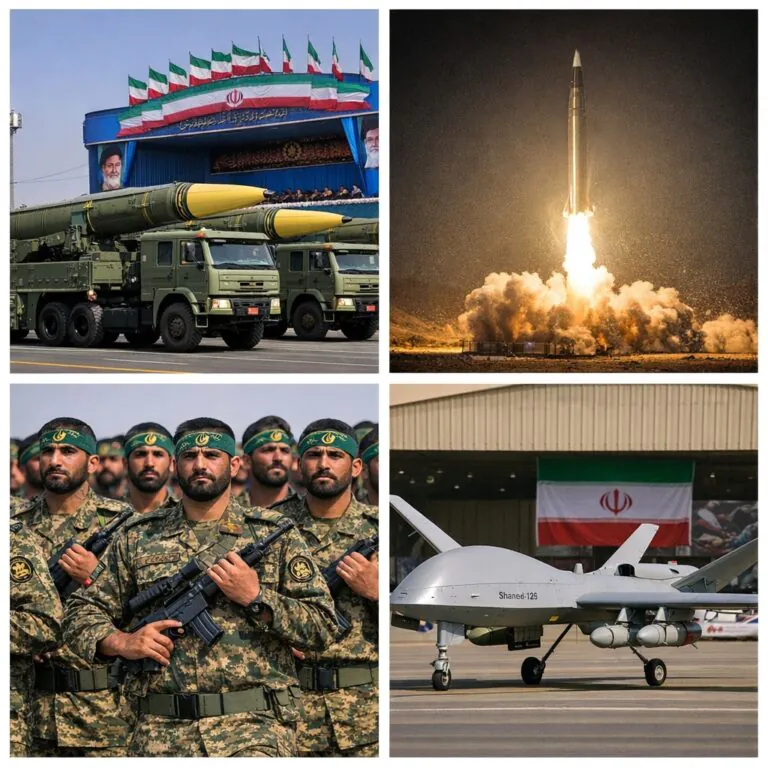
The current phase of US–Iran and Middle East War Tensions became more dangerous because the conflict moved beyond political threats and entered direct military confrontation. Strategic facilities, military bases, and shipping routes became targets. Iran responded strongly to pressure from the US and Israel, while regional allies also increased military readiness.
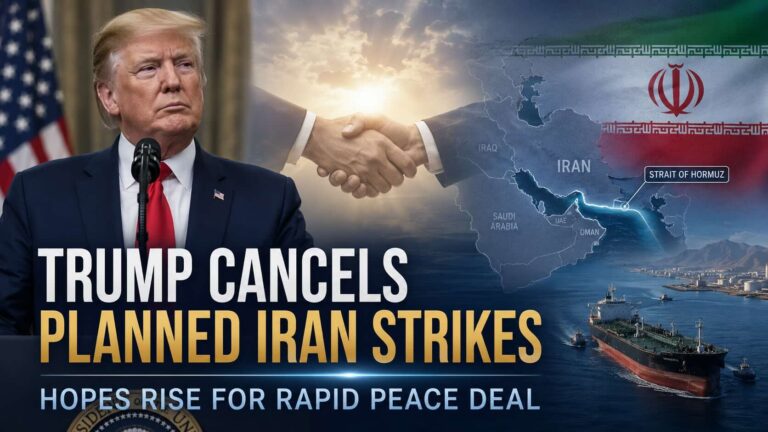
Reports suggested that the Strait of Hormuz became one of the most sensitive areas, with fears of closure affecting global trade. Since nearly one-fifth of global oil trade passes through this route, any disruption creates worldwide panic in fuel markets. Parliament reports and international coverage emphasized how critical Hormuz remains for global stability.
Oil Prices and Economic Pressure
One of the biggest consequences of US–Iran and Middle East War Tensions is the rise in oil prices. Investors fear that continued fighting could disrupt oil exports from the Gulf region, pushing prices sharply upward. Higher oil prices directly affect inflation, transport costs, and food prices around the world.
Iran’s industrial sectors have also suffered majordamage. Reuters reported that Iran suspended steel exports after conflict-related disruptions damaged major production facilities, showing how war tensions are affecting trade and economic recovery. This also increases pressure on regional governments already facing economic challenges.
Diplomatic Talks and Ceasefire Efforts
Pakistan’s Role in Mediation
Despite military escalation, diplomatic efforts continue to prevent a larger war. Pakistan emerged as an important mediator during the recent phase of US–Iran and Middle East War Tensions. Islamabad hosted important diplomatic discussions aimed at reducing hostilities and opening communication channels between both sides.
Reports from April 2026 highlighted the arrival of Iranian Foreign Minister Abbas Araghchi in Islamabad and discussions involving international envoys. Although direct negotiations remained difficult, diplomatic observers described this as a fragile but important opening for peace.
Ceasefire Challenges
A temporary ceasefire was discussed to reduce immediate military risks, but maintaining peace has proven difficult. The ceasefire faced pressure from naval blockades, shipping incidents, and mutual distrust between both governments. Analysts warned that even with ceasefire extensions, a permanent solution remains uncertain.
Al Jazeera explained that several scenarios remain possible, including extended diplomacy, renewed conflict, or a frozen conflict where tensions remain high without full peace. This uncertainty keeps the Middle East on edge and affects international markets every day.
Israel’s Role in US–Iran and Middle East War Tensions
Security Concerns and Strategic Pressure
Israel plays a major role in US–Iran and Middle East War Tensions because of its long-standing security concerns regarding Iran’s military capabilities and regional influence. Israeli leaders have repeatedly warned against Iran’s nuclear ambitions and missile programs.
As a close ally of the United States, Israel’s military decisions often influence broader regional calculations. Conflict trackers and international briefings show that Israeli actions remain central to the larger security environment in the Middle East, especially in relation to Lebanon, Syria, and the Gulf region.
Regional Spillover Risks
The danger is not limited to Iran and Israel alone. Hezbollah in Lebanon, militias in Iraq, and instability in Syria all create opportunities for wider conflict. If fighting expands further, neighboring countries may be drawn into direct military action.
This is why experts describe US–Iran and Middle East War Tensions as a regional security crisis rather than a simple bilateral dispute. The entire Middle East remains vulnerable to sudden escalation from even a single military incident.
Global Impact of Middle East War Tensions
Energy Markets and International Trade
The world closely watches US–Iran and Middle East War Tensions because the Middle East is central to global energy supply. Any disruption in oil transport affects countries far beyond the region, including Europe, Asia, and Africa.
Airlines, shipping companies, and financial markets all react quickly to conflict signals. Even rumors of attacks near Hormuz can move global oil prices within hours. Businesses worldwide face uncertainty when Middle East tensions remain unresolved.
Humanitarian and Political Consequences
War tensions also create serious humanitarian concerns. Civilian displacement, damaged infrastructure, and rising insecurity affect millions of people across the region. International organizations continue to warn against further escalation and call for immediate diplomatic solutions.
Political instability also strengthens extremist risks, weakens economic growth, and increases refugee pressure on neighboring countries. This makes peace efforts even more urgent for global stability.
What Could Happen Next
Possible Diplomatic Breakthrough
The best outcome for US–Iran and Middle East War Tensions would be a longer ceasefire followed by serious negotiations on sanctions, regional security, and nuclear concerns. This would reduce pressure on oil markets and improve regional confidence.
However, trust remains extremely low. Both sides continue to accuse each other of aggression, and every military movement creates new diplomatic obstacles.
Risk of Renewed Escalation
The worst-case scenario would be a breakdown of talks followed by direct large-scale military confrontation. This could involve attacks on major oil infrastructure, shipping routes, and regional military bases, creating a major international crisis.
Experts warn that even small incidents can quickly trigger major escalation. That is why the coming weeks are considered highly important for the future of the Middle East.
Conclusion
US–Iran and Middle East War Tensions remain one of the most serious global issues in 2026. The conflict affects not only the Middle East but also global oil prices, trade routes, diplomacy, and international security. Military escalation, economic pressure, and fragile peace efforts continue to shape the region’s future.
While ceasefire talks and diplomatic mediation offer hope, the situation remains unstable. The world is watching closely as leaders decide between negotiation and confrontation. The future of regional peace may depend on whether diplomacy can move faster than the next military strike. For now, US–Iran and Middle East War Tensions continue to dominate international headlines and remain a major concern for governments, businesses, and ordinary people across the globe.