Energy Price Cap October 2026: What the 4% Rise Means for Your Bills
Last updated: 21 October 2026
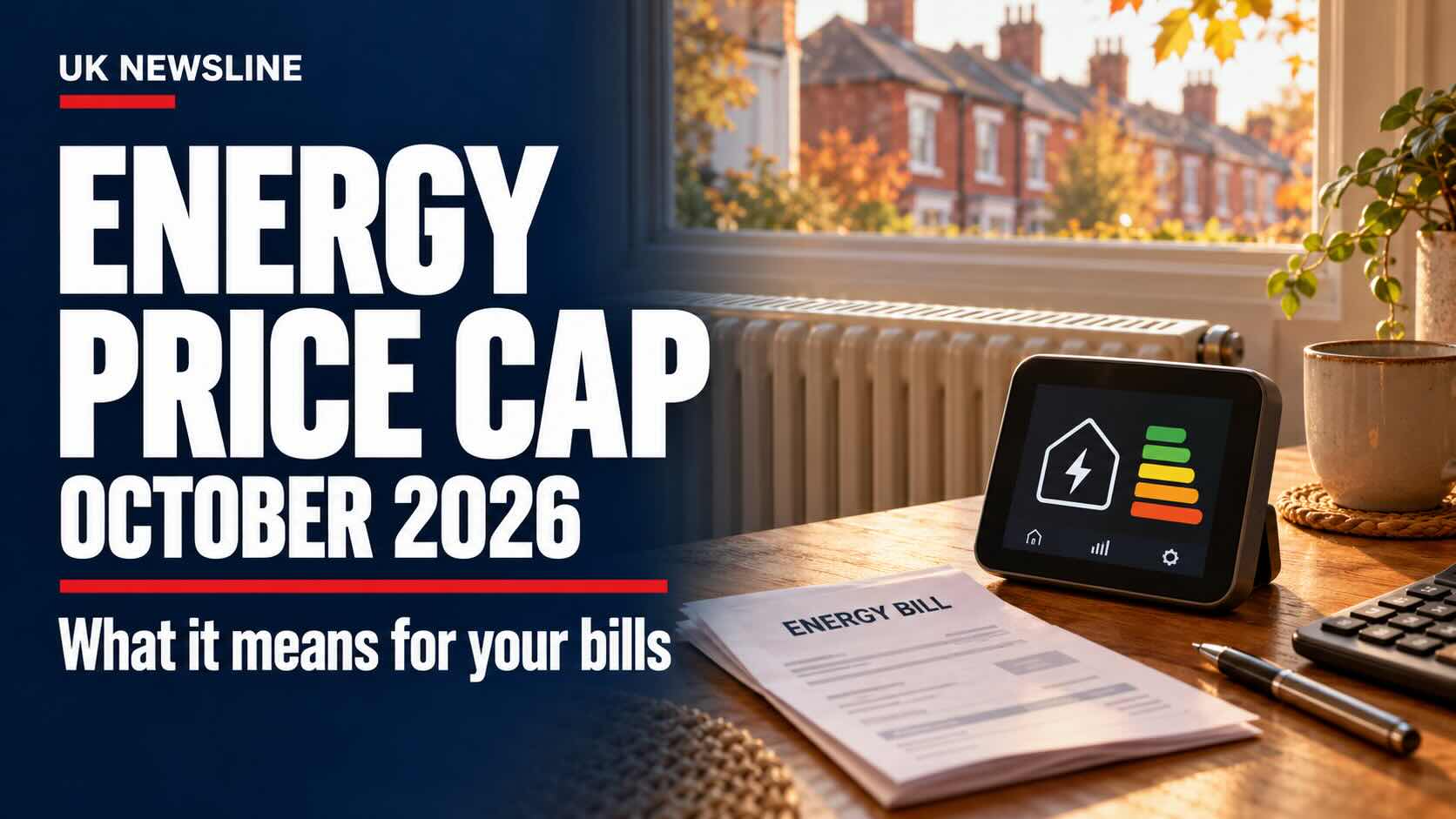
The energy price cap rises by 4% on 1 October 2026. Ofgem says a typical household paying by direct debit for gas and electricity will pay £1,723 a year, up from £1,663. That’s about £60 more a year, or around £5 a month. The new cap runs until 31 December 2026.
New energy price cap rates from 1 October 2026
Here’s what you need to know:
These are the GB average rates for customers on a standard variable tariff paying by direct debit:
| Unit rate | Standing charge | |
|---|---|---|
| Electricity | 26.32p per kWh | 54.83p per day |
| Gas | 7.97p per kWh | 29.68p per day |
Your exact rates depend on your region and how you pay. The cap limits the unit rate and standing charge, not your total bill. If you use more energy, you pay more.
Why are energy bills going up?
Ofgem says the main reason is higher wholesale gas prices, linked to the conflict in the Middle East. The regulator also points to the government’s removal of VAT on domestic electricity, which has kept electricity bills broadly stable. Most of the rise therefore falls on gas, where bills increase by about 8%.
Who is affected?
- Affected: households on a standard variable (“default”) tariff in England, Scotland and Wales.
- Not affected right now: the roughly 11 million households on a fixed tariff. Your rates stay the same until your fix ends.
- Northern Ireland has a separate energy market and isn’t covered by the Ofgem price cap.
How to work out your own bill
The typical £1,723 figure won’t match your bill exactly, because everyone uses a different amount of energy. To estimate your own cost, use this simple formula for each fuel:
(units used × unit rate) + (number of days × standing charge)
Example: electricity for a 30-day month using 200 kWh
- Units: 200 × 26.32p = £52.64
- Standing charge: 30 × 54.83p = £16.45
- Total: about £69.09 for the month
Your usage in kWh is shown on your bill or in your supplier’s app. The standing charge is paid every day, even if you use no energy at all. That’s why low users often feel the price cap more than they expect.
What about Northern Ireland?
The Ofgem cap doesn’t apply in Northern Ireland, where electricity and gas prices are regulated by the Utility Regulator. Many homes there also use heating oil, which isn’t capped and changes with world oil prices. Comparing heating oil suppliers and ordering outside the coldest weeks can help keep costs down.
Five ways to cut your energy costs this winter
- Compare fixed deals. Ofgem says some fixed tariffs are available at £100 or more below the cap. Check exit fees and the length of the fix before switching.
- Send a meter reading if you haven’t done so since 1 October (smart meters do this automatically), so your bills are based on what you actually use rather than estimates.
- Use off-peak tariffs if you have a smart meter. Some suppliers offer cheaper electricity at night or at quiet times.
- Check your direct debit. If it looks too high or too low for your usage, ask your supplier to review it.
- Ask for help early. If you’re struggling to pay, contact your supplier. They must offer affordable repayment plans. You may also be able to get grants from supplier hardship funds.
Extra help if you’re on a low income
- Warm Home Discount: a one-off discount on your electricity bill (£150 in recent years) for eligible households, usually applied automatically between autumn and spring.
- Winter Fuel Payment: £100 to £300 for people born on or before 27 June 1960.
- Cold Weather Payment: £25 for each 7-day spell of very cold weather, for people on certain benefits.
- Household Support Fund / local council help: many councils offer grants or vouchers for energy and food. Search for your council’s website.
- Free energy advice: organisations such as Citizens Advice can help you check your bill, deal with debt and find grants.
When will the price cap change next?
Ofgem reviews the cap every three months. The next period starts on 1 January 2027, and the new level is usually announced towards the end of November. We will update this page when Ofgem confirms it.
Frequently asked questions
Is the energy price cap a limit on my total bill?
No. It caps the price per unit of energy and the daily standing charge. The £1,723 figure is only an example based on typical use.
Should I fix my energy tariff now?
It depends on the deal and on your circumstances. A fix gives certainty but may have exit fees. Compare the fixed rates against the cap rates above before deciding.
Does the price cap apply to prepayment meters?
Yes. Prepayment customers are covered too, and Ofgem says prepayment rates can work out cheaper than direct debit.
Sources: Ofgem – Energy price cap will rise by 4% from October 2026; Ofgem – Changes to the energy price cap, 1 October to 31 December 2026.