Why Fuel Prices Are Skyrocketing Globally in 2026
Introduction
Here’s what you need to know:
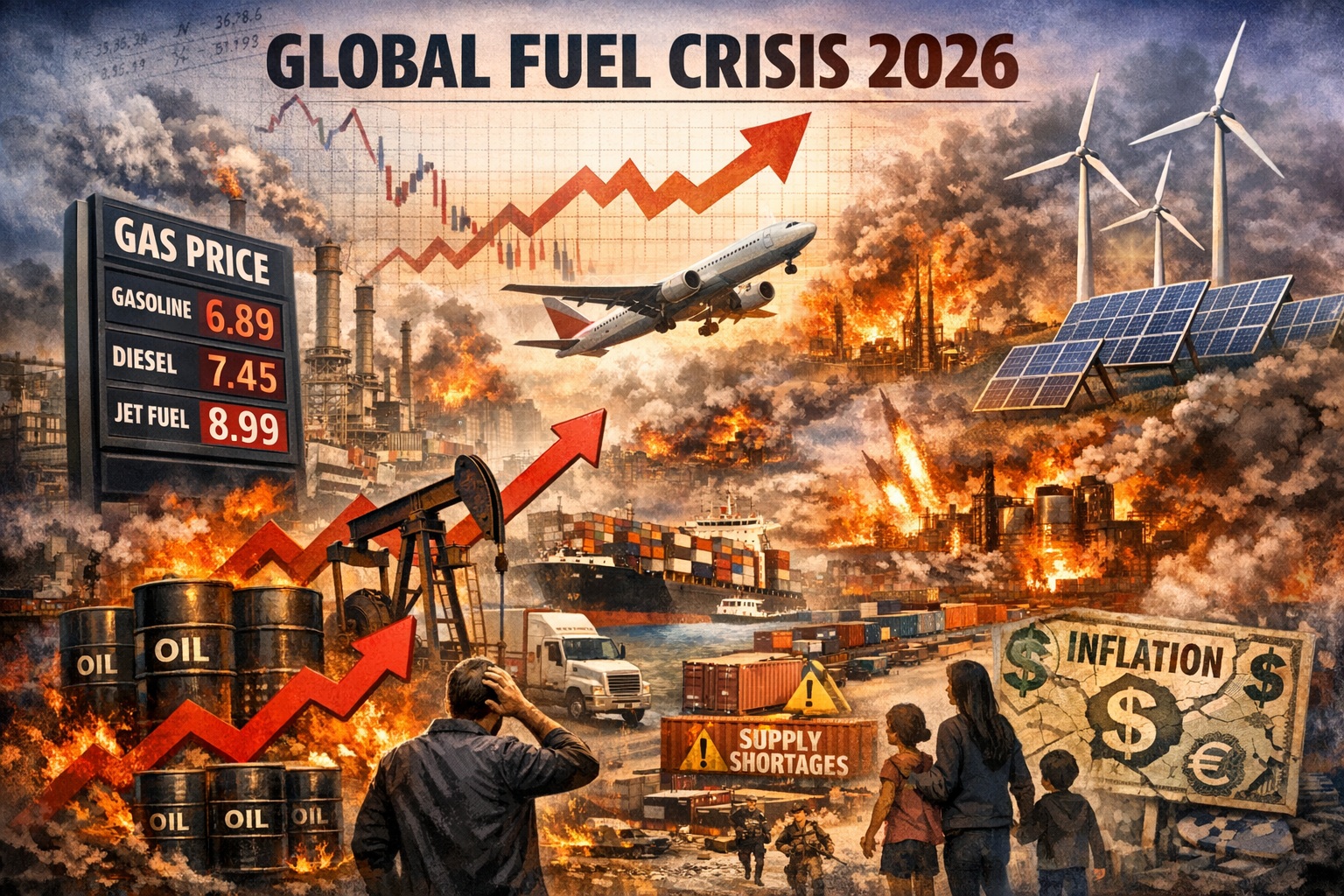
The year 2026 has brought with it a significant surge in energy costs, leaving governments, businesses, and households grappling with the consequences. Why fuel prices are skyrocketing globally in 2026 has become a pressing question across economies, as transportation, electricity, and manufacturing sectors all feel the strain. From rising crude oil costs to geopolitical instability and supply chain disruptions, multiple interconnected factors are driving this upward trend. This article explores the root causes behind the increase, the broader economic implications, and what the future may hold for global fuel markets.
Global Demand Recovery After Economic Stabilization
One of the primary reasons why fuel prices are skyrocketing globally in 2026 is the sharp rebound in global demand. After years of economic uncertainty and slowdowns in earlier parts of the decade, many countries have regained economic momentum. Industrial production has increased, global trade has intensified, and travel demand has surged.
Emerging economies, in particular, have shown rapid industrial growth, requiring more fuel for manufacturing and transportation. Additionally, aviation and tourism sectors have fully recovered, leading to higher jet fuel consumption. As demand outpaces supply, prices naturally rise, placing pressure on international fuel markets.
Supply Constraints and Limited Production Capacity
While demand has surged, supply has struggled to keep pace. Oil-producing nations have been cautious in expanding production capacity. Years of underinvestment in fossil fuel infrastructure have led to limited output capabilities. Energy companies, facing pressure to transition toward renewable sources, have reduced investments in oil exploration and drilling.
This imbalance between supply and demand is a key factor explaining why fuel prices are skyrocketing globally in 2026. Even small disruptions in production can cause significant price fluctuations due to the tight market conditions.
Geopolitical Tensions and Conflicts
Geopolitical instability continues to play a critical role in shaping global fuel prices. Conflicts in key oil-producing regions, trade disputes, and sanctions have disrupted the steady flow of oil and gas supplies. Shipping routes have been affected, and uncertainty in international relations has led to market volatility.
When major exporters face restrictions or instability, global supply chains are disrupted, leading to immediate price spikes. These geopolitical factors create unpredictability, making it difficult for markets to stabilize fuel prices in the short term.
Transition to Renewable Energy
The global push toward cleaner energy has also contributed to rising fuel prices. Governments and organizations are increasingly investing in renewable energy sources such as solar, wind, and hydropower. While this transition is essential for long-term sustainability, it has had unintended short-term consequences.
Reduced investment in fossil fuels has limited supply growth, while renewable infrastructure is still not sufficient to meet global energy demands fully. This transitional gap is another important factor behind why fuel prices are skyrocketing globally in 2026, as traditional energy sources remain essential but are not being expanded at the same rate as before.
Inflation and Currency Fluctuations
Macroeconomic factors such as inflation and currency depreciation have further intensified fuel price increases. Oil is typically traded in U.S. dollars, meaning countries with weaker currencies must pay more for imports. Inflation also raises operational costs for energy companies, including labor, transportation, and refining expenses.
As these costs rise, they are passed on to consumers in the form of higher fuel prices. This creates a cycle where increasing energy costs contribute to broader inflation, affecting the overall cost of living worldwide.
Supply Chain Disruptions
Global supply chains have not fully stabilized, with logistical challenges continuing to impact fuel distribution. Shipping delays, port congestion, and limited availability of tankers have all contributed to inefficiencies in fuel delivery systems.
Natural disasters, extreme weather events, and infrastructure limitations have further compounded these challenges. When fuel cannot be transported efficiently, shortages occur in certain regions, driving up prices locally and globally.
Environmental Regulations and Carbon Policies
Stricter environmental regulations have also played a role in rising fuel prices. Governments worldwide are implementing carbon taxes, emissions limits, and stricter environmental standards for fuel production and consumption.
While these measures aim to reduce environmental impact, they increase production costs for energy companies. Compliance with environmental regulations often requires expensive technology and processes, which ultimately raise fuel prices for consumers.
Impact on Transportation and Logistics
The increase in fuel prices has had a direct impact on transportation and logistics industries. Higher fuel costs translate into increased shipping and delivery expenses, affecting businesses and consumers alike.
Airlines, shipping companies, and trucking firms have had to adjust their pricing strategies, often passing costs on to customers. This has led to higher prices for goods and services, contributing to inflation across multiple sectors.
Effects on Households and Daily Life
Rising fuel prices have significantly affected households around the world. Increased costs for gasoline, diesel, and electricity have strained family budgets. Transportation expenses have risen, making commuting more expensive, while higher energy costs have increased utility bills.
In developing countries, the impact is even more severe, as a larger portion of household income is spent on energy. This has led to reduced purchasing power and increased financial stress for millions of people.
Government Responses and Policy Measures
Governments have taken various steps to mitigate the impact of rising fuel prices. Some have introduced subsidies or reduced fuel taxes to ease the burden on consumers. Others have released strategic oil reserves to increase supply temporarily.
However, these measures often provide only short-term relief. Long-term solutions require structural changes, such as investing in alternative energy sources and improving energy efficiency. Policymakers face the challenge of balancing economic stability with environmental goals.
The Role of Speculation in Energy Markets
Financial markets also play a role in fuel price fluctuations. Speculation in oil and energy markets can drive prices higher, especially during periods of uncertainty. Traders often react to geopolitical events, supply disruptions, and economic forecasts, influencing market dynamics.
While speculation can provide liquidity to markets, it can also contribute to volatility, making fuel prices less predictable and more sensitive to external factors.
Future Outlook for Fuel Prices
Looking ahead, the trajectory of fuel prices will depend on several factors. The pace of renewable energy adoption, geopolitical stability, and global economic growth will all influence market trends.
If investments in renewable energy accelerate and become more efficient, reliance on fossil fuels may decrease, potentially stabilizing prices. However, in the short term, the factors driving why fuel prices are skyrocketing globally in 2026 are likely to persist, keeping prices elevated.
Conclusion
In conclusion, why fuel prices are skyrocketing globally in 2026 can be attributed to a complex interplay of demand recovery, supply constraints, geopolitical tensions, and the ongoing transition to renewable energy. Inflation, environmental regulations, and logistical challenges have further exacerbated the situation, creating a perfect storm in global energy markets.
As the world navigates this period of high fuel costs, it is essential to focus on sustainable solutions and long-term energy strategies. While the current situation presents significant challenges, it also offers an opportunity to accelerate the transition toward a more resilient and environmentally friendly energy future.