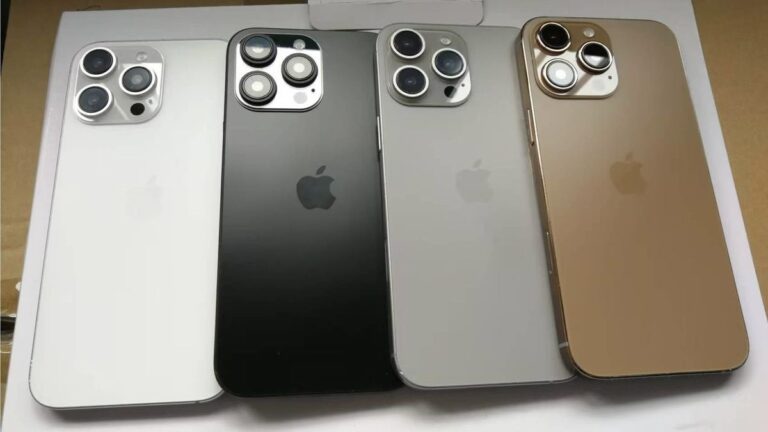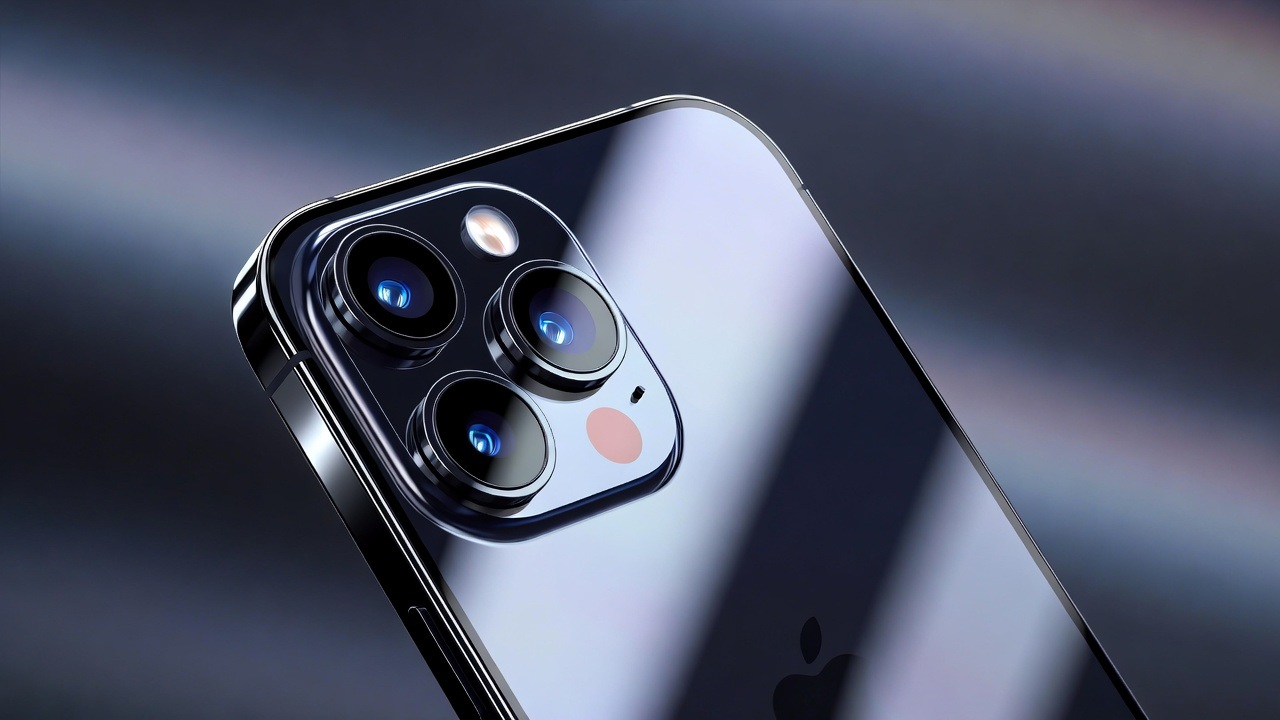
IPhone 18 Pro Max 2027 And Its Biggest Feature
LONDON — Apple’s next major iPhone launch cycle is shaping up to be one of the most unusual in a decade, according to multiple industry leaks and analyst reports. This year, the spotlight is on the iPhone 18 Pro Max, while the standard iPhone 18 — traditionally the core of Apple’s annual refresh — may not reach consumers until 2027. The delay, driven by strategic product planning and supply chain factors, has sparked intense debate among users and analysts alike.
Below, UK Newsline breaks down the latest developments, what it means for Apple’s release schedule, and how this affects current iPhone owners across the UK.
Changing the iPhone Release Playbook
Here’s what you need to know:
For years, Apple has followed a predictable September release cycle for its flagship iPhones — unveiling the latest models at an autumn event and shipping them soon after. But reports now suggest a split launch strategy for the iPhone 18 family, starting with high‑end Pro models in late 2026 and deferring the base model to early 2027.
Leaked specifications indicate the iPhone 18 Pro Max will arrive with modest design updates and possibly a larger battery — but the most anticipated feature updates appear limited to Pro hardware. Meanwhile, the regular iPhone 18 and its entry‑level counterpart may not hit shelves until the spring of 2027.
Why Apple Could Delay the iPhone 18 Until 2027
Several factors are behind this strategy, according to analysts:
1. Split Launch Cycle
Rather than releasing all models together, Apple may be aiming to stagger its iPhone launches — an approach that could boost year‑round sales rather than concentrating demand around a single event. It would mark a major shift from decades of tradition.
2. Focus on Premium Devices
By prioritising the Pro and Pro Max models, Apple can highlight its most advanced hardware first — drawing attention to cutting‑edge components like the next‑generation A20 chip and potentially variable aperture cameras.
3. Supply Chain and Resource Allocation
Manufacturing complexities — including chip shortages and resource demands from emerging devices like the rumored Apple Foldable iPhone — may be forcing Apple to prioritise certain product lines.
Industry insiders also note that design and yield challenges with key components such as under‑display Face ID could contribute to a delayed rollout of the base model.
What’s Coming in Late 2026 vs 2027
Here’s a snapshot of the expected timetable:
Fall 2026 (September)
• iPhone 18 Pro
• iPhone 18 Pro Max
• Possibly the first Foldable iPhone
Spring 2027 (March–April)
• Standard iPhone 18
• iPhone 18e (Lower‑end model)
• Additional variants
This “tiered” release could position Apple to maximise media and consumer attention across two distinct product cycles.
What This Means for UK iPhone Users
Will the iPhone 18 Be Released in 2027?
According to reports, yes — the iPhone 18 base model is widely expected to debut in early 2027, several months after its more premium siblings.
This is a significant departure from previous patterns, where the standard iPhone launched alongside Pro models in the same year.
Can I Use My iPhone 11 After 2026?
Yes. Apple continues to support the iPhone 11 and iPhone 11 Pro with updates through at least the end of 2026. While feature enhancements may slow with newer software releases, the device remains functional for basic apps and security patches beyond this timeframe.
Many older iPhones remain supported for several years — but as iOS evolves, some performance limitations may become noticeable.
What iPhones Will Stop Working in 2027?
Older devices like the iPhone XS, XS Max and XR have already been excluded from the latest major OS versions. By 2027, iPhones released before 2019 — including some SE and earlier models — are likely to lose official software support entirely.
Apple’s official support timeline typically spans around 6–7 years per device.
Expert Commentary and Industry Reaction
“Apple’s potential strategy to spread out its iPhone launches reflects a broader shift in the industry,” says Julian Wells, a UK‑based technology analyst. “With competition heating up, especially on price and innovation, Apple may be exploring ways to maintain momentum outside its usual September event cycle.”
Market observers note that while the Pro models will satisfy early adopters and loyal fans, the delayed base model could create a gap in Apple’s mainstream offering — affecting buyers waiting for a more affordable flagship. Analysts caution that precise dates are still uncertain due to Apple’s secretive launch practices.
Looking Ahead: Beyond the iPhone 18
UK readers interested in broader trends might also explore:
“Apple Foldable iPhone: What UK Buyers Should Know” — uknewsline.com/apple-foldable‑iphone‑uk
“iOS 26 Updates: Compatibility & Features for British Users” — uknewsline.com/ios‑26‑updates‑uk
As Apple charts a seemingly new roadmap for 2026–2027, the tech world watches closely to see if this bold move reshapes how flagship phones are unveiled and marketed — not just in the US, but globally.