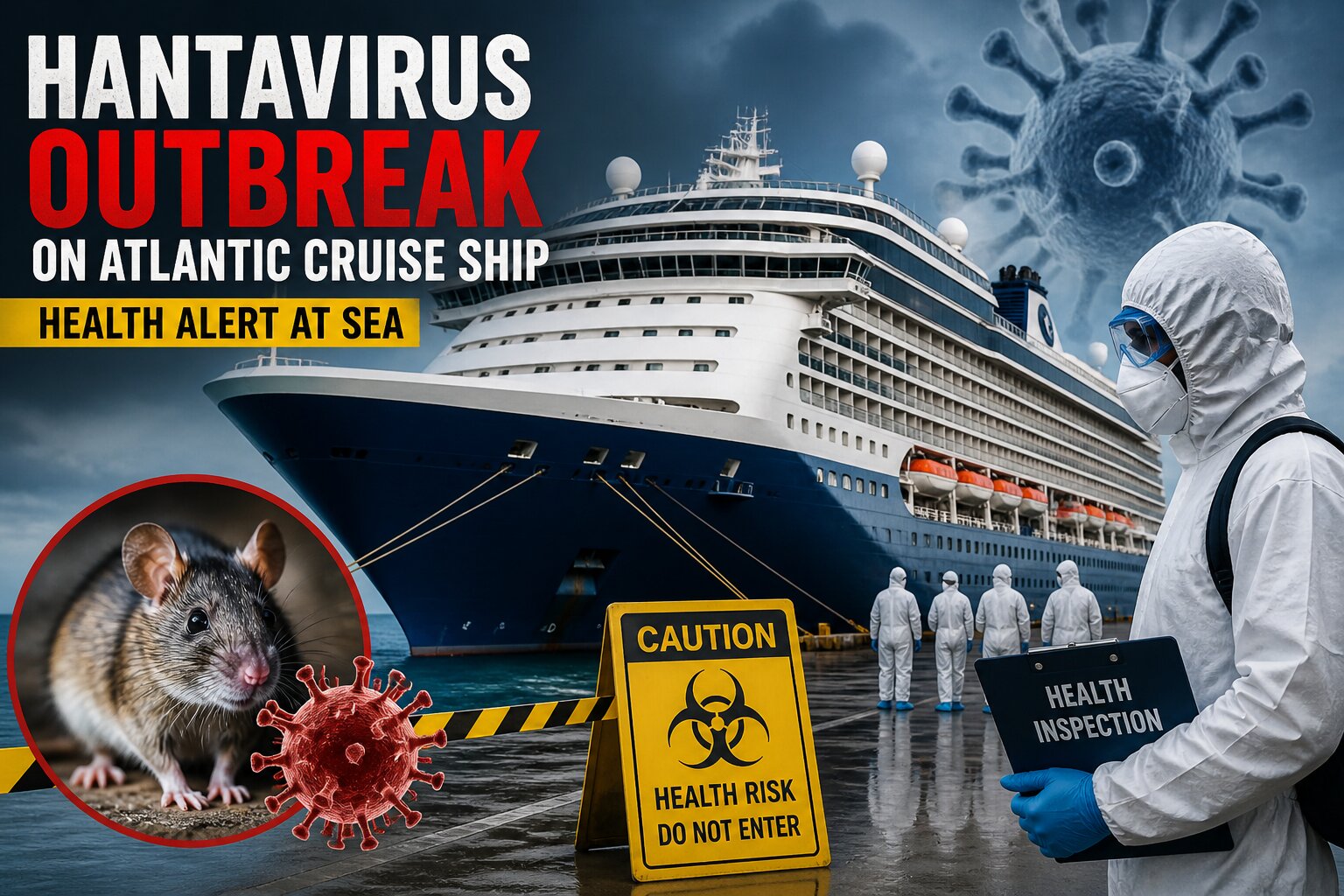
Hantavirus Outbreak on Atlantic Cruise Ship
The recent Hantavirus Outbreak on Atlantic Cruise Ship has raised serious global health concerns, drawing attention from medical experts, travel authorities, and international media. Hantavirus is a rare but potentially deadly virus transmitted primarily through contact with infected rodents, their droppings, or urine. The confined and communal environment of a cruise ship creates unique challenges when dealing with infectious diseases, making this outbreak particularly alarming. As cruise travel continues to regain popularity in 2026, this incident serves as a stark reminder of the vulnerabilities associated with large-scale travel environments.
Understanding the Hantavirus and Its Transmission
Here’s what you need to know:
What is Hantavirus?
Hantavirus is a group of viruses that can cause severe respiratory and sometimes renal complications in humans. The most concerning form, Hantavirus Pulmonary Syndrome (HPS), can lead to life-threatening lung infections. Unlike airborne viruses such as influenza or COVID-19, hantavirus does not typically spread from person to person; instead, it is transmitted through inhalation of contaminated particles from rodent waste. This makes hygiene, sanitation, and pest control critical factors in preventing outbreaks.
How Did It Reach the Cruise Ship?
In the case of the Hantavirus Outbreak on Atlantic Cruise Ship, early investigations suggest that the source may have been contaminated storage areas or food supply sections where rodents had access. Cruise ships, despite strict health protocols, can still be vulnerable to such risks due to their complex logistics and constant movement between ports. Once the virus was introduced, passengers and crew members exposed to contaminated areas were at risk of infection.
Timeline of the Atlantic Cruise Ship Outbreak
Initial Detection and Response
The outbreak reportedly began when several passengers developed flu-like symptoms, including fever, fatigue, and muscle aches. Initially mistaken for common viral infections, further testing revealed the presence of hantavirus. Medical teams onboard acted quickly by isolating affected individuals and notifying international health authorities. The ship was temporarily restricted from docking at certain ports to prevent further spread and ensure containment.
Emergency Measures and Quarantine Protocols
Strict quarantine measures were implemented, including isolation zones, enhanced sanitation procedures, and health screenings for all passengers. Crew members were trained to identify symptoms early and respond effectively. Health authorities coordinated with port officials to manage safe disembarkation and medical transfers where necessary. Despite these efforts, the incident caused widespread panic among passengers and their families.
Health Risks and Symptoms of Hantavirus Infection
Early Warning Signs
Symptoms of hantavirus infection often resemble those of common respiratory illnesses, making early diagnosis difficult. Patients typically experience fever, chills, muscle aches, headaches, and nausea. These symptoms can escalate rapidly, leading to severe respiratory distress within days.
Severe Complications and Mortality Risk
In advanced stages, hantavirus can cause fluid buildup in the lungs, leading to breathing difficulties and, in some cases, fatal outcomes. The mortality rate for Hantavirus Pulmonary Syndrome can be as high as 30–40%, making it a serious public health threat. Immediate medical attention is crucial for improving survival chances, especially in environments like cruise ships where medical resources may be limited.
Impact on the Cruise Industry and Tourism
Decline in Passenger Confidence
The Hantavirus Outbreak on Atlantic Cruise Ship has significantly impacted the cruise industry, which was already recovering from past global health crises. News of the outbreak led to cancellations, reduced bookings, and heightened fear among potential travelers. Cruise companies are now under increased pressure to demonstrate enhanced safety measures.
Economic Consequences
The financial implications are substantial, affecting not only cruise operators but also associated industries such as tourism, hospitality, and local port economies. Insurance claims, medical costs, and reputational damage further add to the burden. This incident highlights the need for stricter health monitoring systems and contingency planning in the travel sector.
Preventive Measures and Safety Protocols
Strengthening Sanitation and Pest Control
To prevent future outbreaks, cruise lines must prioritize sanitation and implement robust pest control systems. Regular inspections, proper food storage, and waste management are essential to minimize the risk of rodent infestation. Staff training and awareness programs can also play a key role in early detection and prevention.
Passenger Awareness and Health Guidelines
Passengers should be educated about health risks and encouraged to report symptoms immediately. Simple precautions such as avoiding contact with potentially contaminated areas, maintaining personal hygiene, and following onboard health advisories can significantly reduce risks. Cruise companies may also introduce pre-boarding health screenings and mandatory health declarations.
Global Health Implications and Future Outlook
Lessons Learned from the Outbreak
The Hantavirus Outbreak on Atlantic Cruise Ship underscores the importance of global health preparedness in travel settings. It highlights gaps in monitoring systems and the need for rapid response mechanisms. Collaboration between international health organizations, governments, and private companies is crucial to manage such incidents effectively.
The Future of Safe Cruise Travel
Looking ahead, the cruise industry is expected to adopt more advanced health technologies, including real-time monitoring, AI-based risk assessment, and improved medical facilities onboard. While the outbreak has raised concerns, it also presents an opportunity to strengthen safety standards and rebuild trust among travelers.
Conclusion
The Hantavirus Outbreak on Atlantic Cruise Ship serves as a critical wake-up call for the global travel industry. It emphasizes the need for vigilance, preparedness, and continuous improvement in health and safety protocols. As the world becomes increasingly interconnected, managing health risks in shared environments like cruise ships will remain a top priority. By learning from this incident and implementing stronger preventive measures, the industry can move forward with greater resilience and ensure safer travel experiences for all.